Hot jobs report puts Fed cuts further out of reach as Chair Warsh faces

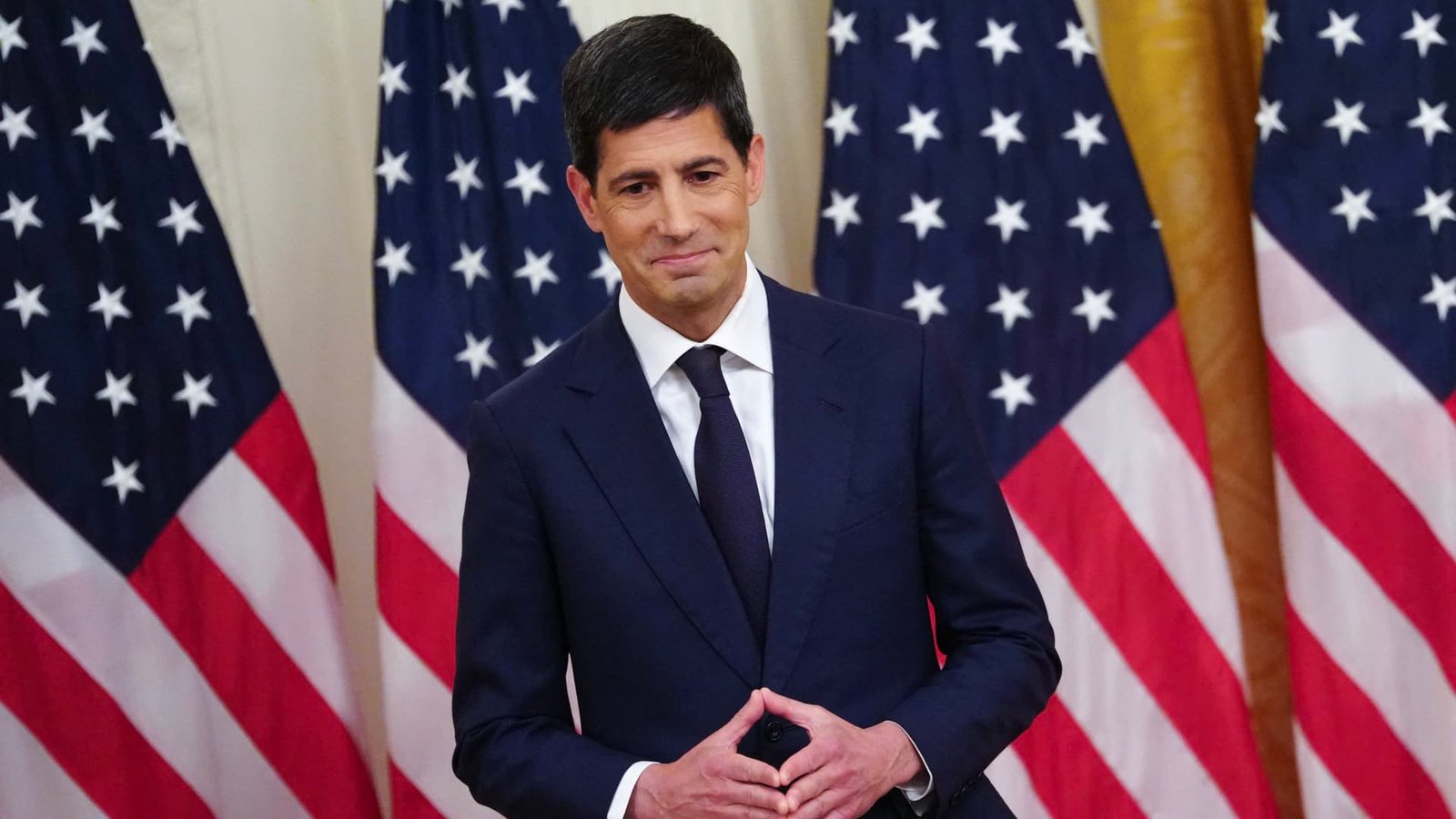
New Chairman of the Federal Reserve Kevin Warsh arrives during a swearing in ceremony in the East Room of the White House in Washington, DC on May 22, 2026.
Aaron Schwartz | Afp | Getty Images
Another big jobs report in May has pretty much swept aside the possibility of interest rate cuts anytime soon — and in the process underscored the tricky policy path ahead for new Federal Reserve Chair Kevin Warsh.
The chance of rate reductions already had been on life support heading into Friday’s nonfarm payrolls report.
But the unexpectedly strong gain of 172,000, compounded by sharp upward revisions for prior months, makes the case for policy easing even weaker, particularly considering the elevated level of inflation and uncertainty over the Iran war.
“If I’m at the [Fed], I say, ‘look, job growth is good, there’s no need for us to support the labor market. Inflation is high,’” said Gus Faucher, chief economist at PNC. “So therefore we can keep the fed funds rate where it is right now until we get a better picture of what’s going on on the inflation front.”
Indeed, market expectations shifted even further after the nonfarm payrolls report. Traders priced in an even lower chance of a cut at the June 16-17 meeting and raised the odds of a hike by the end of 2026 to about 70% nearing midday Friday, according to the CME Group’s FedWatch measure of futures prices.
Warsh’s dilemma, though, runs deeper than the simple calculus of where rates are headed. A number of his colleagues have been challenging not merely the chair’s positions but the framework and filter through which policymakers interpret inflation, growth and the appropriate stance of monetary policy.
Challenges from his Fed peers
In recent days, multiple central bank officials have spoken in public and challenged, without mentioning his name, several core policy assumptions and positions that Warsh has held since he emerged as a candidate for the chair’s seat.
There was Governor Christopher Waller expressing worry that consumer and market psychology was in danger of shifting their inflation expectations higher — a key consideration when figuring out how the Fed should react.
St. Louis Fed President Alberto Musalem took on Warsh’s stated belief that artificial intelligence and its anticipated productivity gains would be a disinflationary force on the economy. Instead, Musalem contended, it would be “risky to rely on the prospect of higher productivity growth in the future to solve our inflation problem today.”
Meanwhile, Dallas Fed President Lorie Logan countered Warsh’s reliance on “trimmed mean” measures for inflation. Those gauges toss out the highest and lowest inputs to inflation calculations and focus on readings closer to the midpoint of the data.
Warsh has said that trimmed mean measures indicate that inflation is much closer to the Fed’s 2% goal than the headline data indicates, an important consideration at a time when surging energy prices are having an outsized impact.
“A change in the mix…