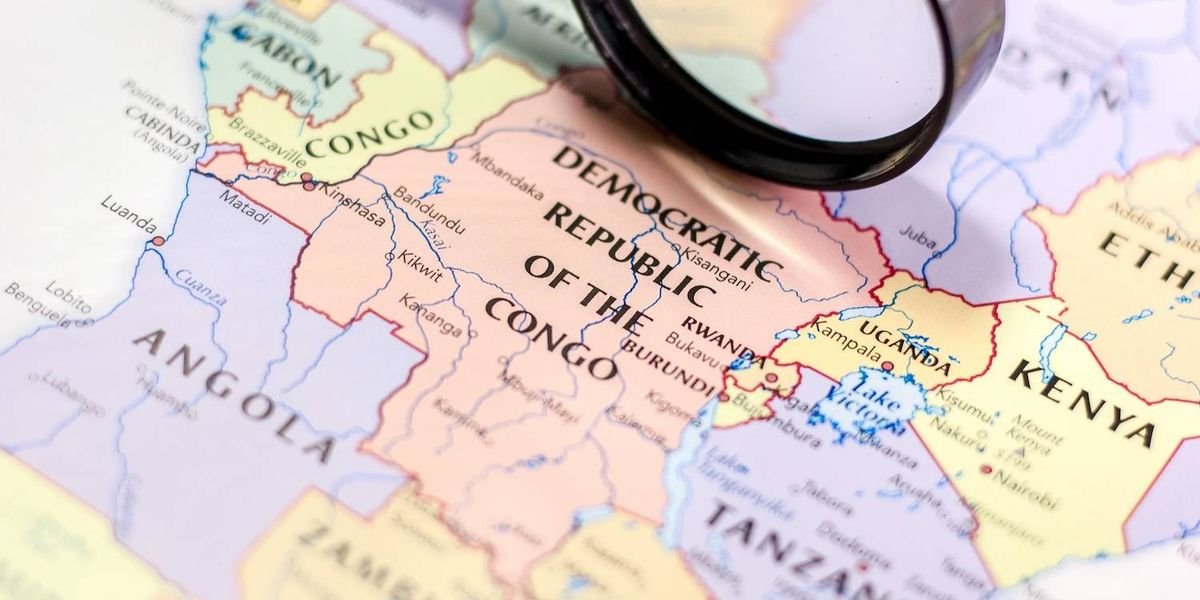
DRC Reclaims Unused Export Quotas From Cobalt Miners

The Democratic Republic of Congo (DRC) has ordered cobalt producers to forfeit all export quotas left unused during the first half of the year, according to a Bloomberg report citing the Authority for the Regulation and Control of Strategic Mineral Substances’ Markets (ARECOMS).
Under mandates enforced by ARECOMS, any allocation unshipped by the June 30 deadline will be automatically revoked. The seized volumes will be transferred into a government-controlled strategic national reserve. A
ARECOMS also indicated that the recovered assets would be used to capitalize domestic processing and value-addition infrastructure, though the agency declined to specify the precise volume of unshipped material or name the specific mining operations affected.
The directive furthers Kinshasa’s aggressive interventionist strategy in the critical minerals sector. The DRC, which accounts for roughly 75 to 80 percent of global cobalt output, suspended all exports in February 2025 after a supply glut primarily driven by rapid expansions at Chinese-backed operations pushed benchmark prices below US$10 a pound, a multi-decade low.
After extending the ban through the summer of 2025, President Félix Tshisekedi’s administration transitioned to a formal quota system in October to artificially stabilize the market.
The enforcement of the mid-year forfeiture rule introduces friction for major multi-national miners operating in the Central African Copperbelt.
The DRC has capped total cobalt exports at 96,600 metric tons annually for both 2026 and 2027. Within this framework, 87,000 metric tons are distributed among commercial miners on a pro-rata basis tied to historical export volumes, while 9,600 metric tons are routed directly to the state’s strategic reserve.
Three corporate entities—CMOC Group (OTCPL:CMCLF), Glencore (LSE:GLEN,OTCPL:GLCNF), and Eurasian Resources Group (ERG)—control more than 60 percent of the total permitted export allocations across five primary mining operations.
Under the baseline allocations, CMOC was slated for approximately 6,650 tons, while Glencore received roughly 3,925 tons, though the latter reportedly secured a temporary extension earlier this year due to logistical bottlenecks.
Companies that breach the state’s shipping or regulatory frameworks risk permanent export bans.
The supply-led reset has fundamentally altered the pricing landscape. Benchmark cobalt metal prices entered 2026 trading at US$56,414 per metric ton, recovering from a baseline of approximately US$21,000 per metric ton in early 2025. The price changes represents an increase of over 160 percent since the DRC first locked down shipments.
The concentration of supply has forced international consumers to seek alternatives. “2025 has demonstrated the risks associated with having a single country being responsible for the majority of supply,” Roman Aubry, nickel and cobalt analyst at Benchmark Mineral Intelligence (BMI), wrote in an email to the Investing News Network…